We didn't start as a tent factory. We started as textile people — and that's exactly why our tents are what they are. This is the story, told the way it happened.
Khurram Saeed sets his first steps in textiles as a master specialised in filter fabrics — learning yarn, weave and finish from the inside. Three decades later, that training is still the foundation under everything we make.
A decade of mastery turns into an export company for technical fabrics — with Africa as our first market, a relationship that continues to this day.
M. Bilal Textiles Industries (Pvt) Ltd is founded in Faisalabad — weaving, dyeing and finishing technical fabrics for customers across Africa and the Middle East, under one roof.
The glamping market starts to grow, and we make the bravest decision in our history: take on the huge new workload of tents without giving up the fabrics business that built us. Our first tent order was only some tarpaulins and inner tents — we had to buy new machines for it. To this day, fabrics remain the majority of what we do.
When the humanitarian emergency demanded shelter at speed, we delivered thousands of relief tents through private NGO partners. Crisis production is the hardest test a tent factory faces — volume, specification and deadline, all at once. We passed it.
We open our new factory — designed around tent production rather than adapted to it, and today a steady supplier to several European glamping brands.
We sign our first major tent contract with the Pakistan Army — defence procurement, won on specification and delivery.
We are restructuring the company — quality systems, documentation, working practices — with one goal: becoming a UNHCR-compliant supplier.
"We are good in fabrics — so we thought 90% of a tent is fabric. But the end client is absolutely not looking at the fabric. They look at all the small details: the box, the bag, the zippers, the pegs. We struggled a lot to get that supply chain right. Now it's routine."
That struggle is why buying from us works. The fabric was never our problem — in all these years, no product has ever come back because of the fabric. We had to earn the rest: the hardware, the packing, the details a guest touches before they ever notice the canvas. We did.
Most manufacturers tell you what you want to hear. We'd rather tell you how it actually works.
Every canvas seller hides from this. We won't: cotton is a natural product, and used wrongly it will mold and rot. That's also its beauty — you give it back to nature and grow it again. Used correctly, it outlives everything synthetic. We'll teach you the "correctly".
The treatment of a tent can easily be 20% of its total cost — and you cannot see it. That's exactly where cheap tents are made cheap. We never compromise on the fabric; we find more efficient ways to build instead.
Extreme cold and dry climates don't need the same treatments as humid ones. We match the treatment to where your product will actually live — which is better for your cost and for the planet.
You can manipulate a fabric with the twist of the yarn, the weave, the treatment and the yarn selection itself. We research the construction that will outperform your competitors — that's the actual product.
We don't believe in that game. It breaks the market and it breaks the product. We are not the cheapest — but you remove your cost of mold claims and one-star reviews of rotten tents. Quality comes with a cost.
We don't hide behind high minimums. We like unique projects and low MOQs — and on large programmes we invest in your R&D, sampling every model until it's perfect and signed.
A father who masters cloth. A son who builds structure. They don't fight — they pull the same rope from different ends.
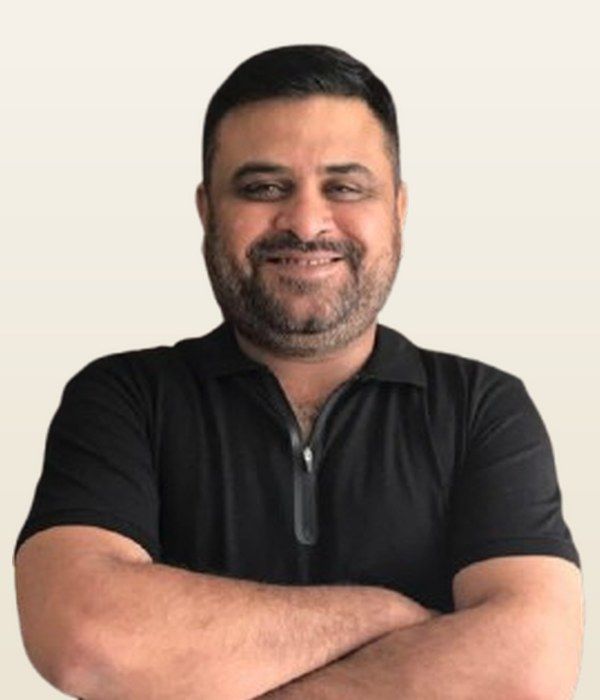
The craft. Thirty years of yarn, weave and finish. Believes in long-lasting relationships above everything — the mentality that kept the first big client through the years when the whole factory was a first setup.
"We see and feel the fabric. Fabric construction is an art of many generations."
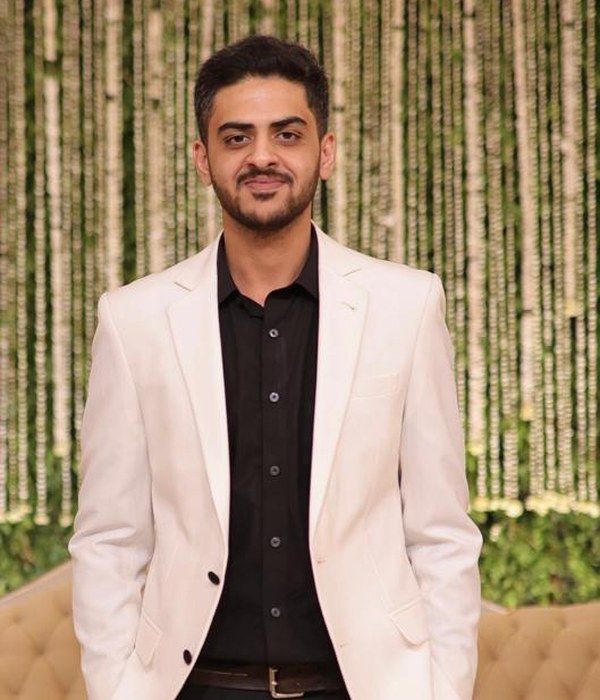
The structure. Digitalisation, quality systems, a professional team and European working standards — building the company that can carry the craft into UNHCR compliance and the European market.
"Relationships are the best mentality a factory can have. But it should not cost you new markets. So we build both."
In ten years we want to be known — in Pakistan and in Europe — as the place where high-end glamping projects are made. Not the biggest factory. The one people visit to get inspired, partnered with brands we trust and who trust us.
The doors are open. If you're serious about canvas, come to Faisalabad and walk the floor — from the loom to the finished tent. What you'll see is what you'll get.
Start a conversation